

Summary
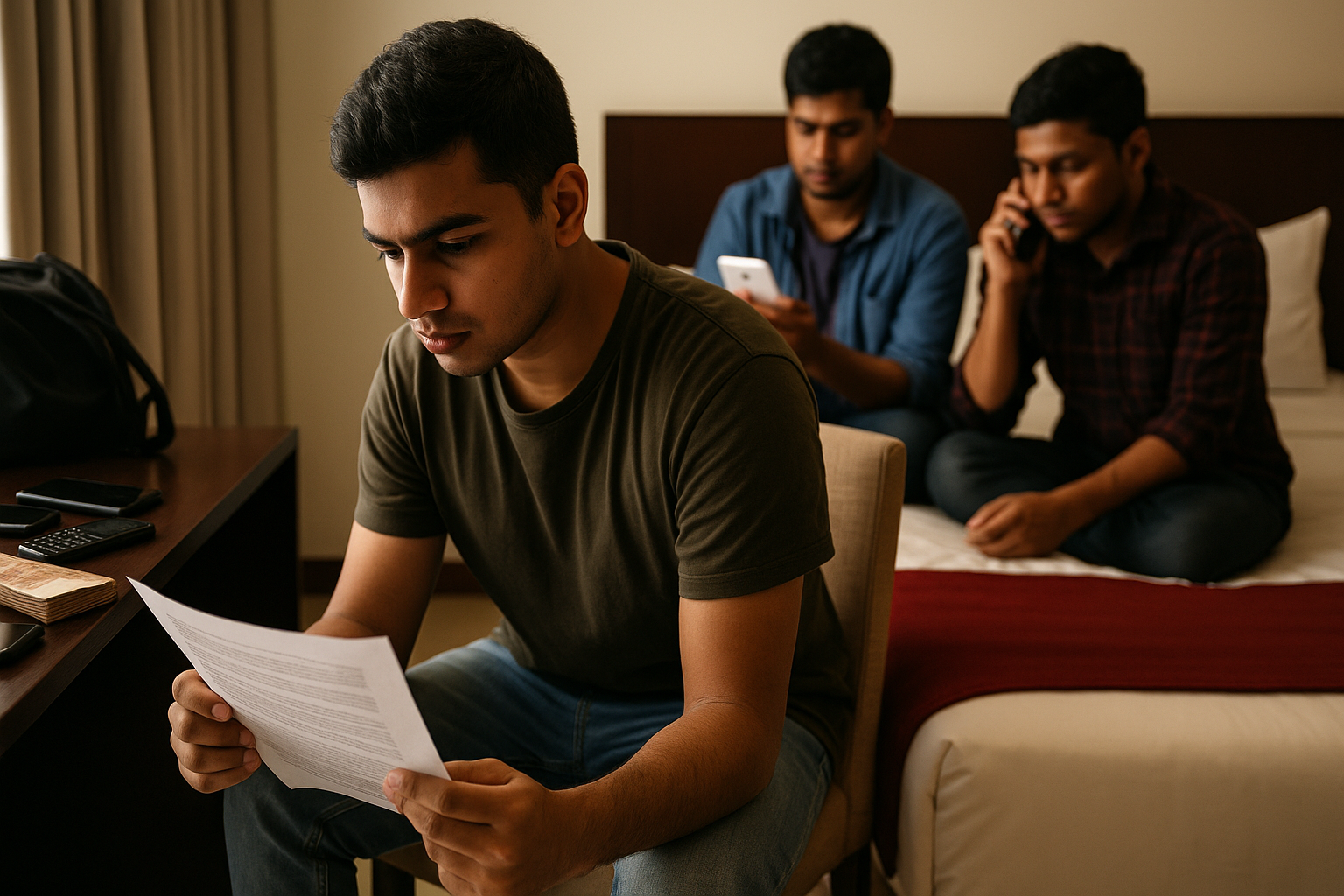
Months-long investigation by the Daily Sun, supported by a Dhaka police operation, exposed a sophisticated racket that sold leaked IELTS question papers and coached candidates in hotels across Dhaka.
Two suspects — Md Mamun Khan and Panna Poonam Howlader alias Keya — were arrested; police seized cash and mobile phones. Victims, including students and at least one government employee, say leaked questions matched their exam papers and paid between Tk1.25–3 lakh.
The Daily Sun’s undercover evidence and subsequent criminal complaints prompted action; experts and Transparency International Bangladesh warn of reputational damage and call for audits by test partners and law-enforcement probes.
Context
- Daily Sun published an undercover investigation documenting hotel-based coaching, coordination by agents and payment flows; it names alleged ring members and quotes victims and an alleged agent.
- Mainstream Bangladeshi outlets (Dhaka Tribune, The Daily Star, The Financial Express, Observer) reported the arrests, police case and seized items while urging further probe and verification.
- International precedent: Cambridge-owned exam systems have investigated partial leaks elsewhere in 2025 and described remedies (discounting leaked questions, rechecks); in some countries paper-based tests were temporarily suspended pending investigations. These precedents shape likely next steps.
Editorial Intelligence Report
- Editorial Angle
- Source Credibility
- Ideological Leaning
- Sentiment
- Balance of Reporting
- Primary Sources Used
- Tone & Language
- Headline Accuracy
- International Relevance
- Watch Points (Bias/Risk)
Investigative / Crime reporting — focus on malpractice and organised fraud.
Medium — Daily Sun’s long investigation is detailed and produced arrest follow-up, but extraordinary allegations (insider collusion with international partners) remain partly unverified. Corroboration by police and other outlets strengthens the report.
Neutral — reporting centres on criminality and institutional responsibility rather than political ideology.
Alarmist/Concerned — language stresses risk to national academic credibility and migration prospects.
Mostly balanced but with heavy reliance on one investigative outlet and police statements — victims’ accounts and undercover evidence are strong, but some claims (e.g., linkage to international staff) are alleged and need independent confirmation.
Undercover reporting (Daily Sun), student testimonies, police/FO statements, seized cash/phones, named alleged agents — limited direct comment from British Council/IDP in public reports so far.
Investigative, sometimes sensational (hotel-room detail, exact payments, “100% match” claims).
Reflects content — the headline summarises the allegations and arrests; readers should note that some claims remain under legal investigation.
High — IELTS scores affect visas, university admissions and international mobility; any systemic breach attracts scrutiny from Cambridge/British Council/IDP and foreign institutions.
reliance on single-outlet undercover evidence; possible sensationalisation of anecdotal testimony; unverified allegations about insiders at international partners; risk of premature reputational damage if claims remain unproven.
Business Implications
- Reputational risk to Bangladesh’s test ecosystem. If malpractice is systemic, universities and immigration authorities may demand extra verification or temporarily distrust Bangladeshi test results — increasing friction for migrants and students.
- Operational disruption risk for test partners. British Council/IDP/Cambridge may impose suspensions, rechecks or change delivery formats (paper → computer) as in Uzbekistan/Vietnam precedents — this would disrupt scheduled candidates and create demand for cross-border testing.
- Regulatory and financial follow-ups. Expect anti-money-laundering and criminal investigations into payment flows (Tk crores reportedly moved via cash after exams), potentially exposing coaching centres and intermediaries to prosecution.
- Market impact on coaching/ed-tech. Legitimate providers could suffer reputational fallout; demand may shift to accredited providers and computer-delivered tests. Opportunity for certified digital-delivery vendors and for test-security services.
- Diplomatic & consular concerns. Host countries may scrutinise Bangladeshi applicants’ credentials more closely, which could translate into extra steps or delays for visas and admissions; bilateral education cooperation could be strained.
Potential Angles to Monitor
- Audit historical IELTS outcomes for unusual score clustering by centre/date; request Cambridge/IELTS partners’ statistical checks.
- Trace money flows: follow the cash (hotel payments, post-exam handovers), possible money-laundering networks and coaching-platform commissions.
- Investigate coaching centres and online platforms named as funnels — look for registration, staff lists, commissions and marketing channels.
- Seek official responses and evidence from British Council, IDP Bangladesh and Cambridge on chain-of-custody for test materials and any internal disciplinary actions.
- Examine whether any public-sector staff or exam officials are implicated and, if so, whether disciplinary/legal action follows.
- Technical angle: what “AI-enabled devices” were allegedly used — are there new tools enabling memorisation or answer delivery that warrant forensic analysis?
Frequently Asked Questions
Related Headlines
https://bdnews24.com/bangladesh/128db5328253
https://www.observerbd.com/news/543424
https://www.dhakatribune.com/bangladesh/390928/2-arrested-for-defrauding-students-with-fake-ielts